The dining room is often a blind spot in decorating the home. Between dinners, a large dining table can look bare and uninviting, so styling it up with visitors in mind can increase the appeal. An oversize arrangement can look too stiff and formal, so try creating vignettes of smaller vessels on the table instead. The color harmony of said vessels should agree with your home’s overall feeling. Sizes and heights should vary and be scaled to the size of the dining room table. If it’s six seat table, place five objects in the center. If it is a four seat table, place three objects in the middle of the table. A good rule of thumb is to use an odd number of objects.
Take a good look at your floors.
At the bare minimum, give all floors a thorough cleaning (this includes steam cleaning carpets), but also consider having wood floors refinished if they are in poor shape. If you don’t want to invest in refinishing floors, the strategic placement of area rugs can go a long way.
Rearrange your furniture.
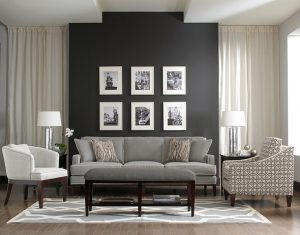
In the living room, symmetrical arrangements usually work well. Pull your furniture off the walls six inches and use pairs (of sofas, chairs, lamps) to create an inviting conversation area. If you have bare floors, or unattractive carpeting, this is a good place to use an area rug. The rule of thumb here is to have at least the front legs of each furniture piece on the rug.
Choose sophisticated neutral colors.
Now is not the time to experiment with that fun-looking lime green. If you have any bright or unusual colors on your walls, paint over them. If you are a color lover, a rich mid-tone neutral like “greige” (it’s a real color, we promise) will create a sophisticated backdrop that makes everything look more put together, and it works for a variety of home styles. As for white, it’s always a good option, but make sure not to go too bright. Soft whites read as fresh and clean, but bright whites read as stark and empty.